

Introduction
Cultured stone, also known as manufactured stone or faux stone, is a popular choice for adding a touch of elegance and sophistication to both interior and exterior spaces. As a versatile and durable alternative to natural stone, cultured stone offers a wide range of design options at a more affordable price point. In this comprehensive guide, we will explore the various factors that influence the cost of cultured stone, from materials and installation to maintenance and long-term value.
Understanding Cultured Stone
Cultured stone is a man-made product designed to replicate the look and feel of natural stone. It is typically made from a mixture of cement, aggregates, and pigments that are molded and colored to resemble various types of stone, such as limestone, slate, and cobblestone. The manufacturing process allows for a high level of customization, with a wide selection of colors, textures, and shapes available to suit different architectural styles and design preferences.
One of the main advantages of cultured stone is its cost-effectiveness compared to natural stone. While natural stone can be expensive to quarry, transport, and install, cultured stone offers a more affordable alternative without compromising on aesthetics or durability. Cultured stone is also lighter in weight, making it easier to handle and install, especially in vertical applications such as feature walls, fireplaces, and facades.
Factors Influencing Cultured Stone Cost
The cost of cultured stone can vary depending on a variety of factors, including the type of stone chosen, the size of the project, the complexity of the installation, and the location of the property. Here are some key factors to consider when estimating the cost of cultured stone:
1. Type of Cultured Stone: Cultured stone is available in a wide range of styles and finishes, each with its own price point. Some of the most popular types of cultured stone include fieldstone, ledgestone, river rock, and brick veneer. More intricate designs or specialty finishes may come at a higher cost due to the additional labor and materials involved in production.
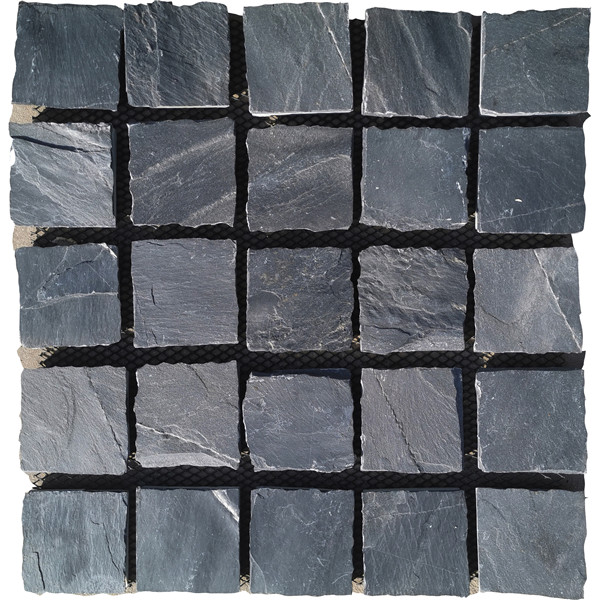
2. Project Size: The size of the project will have a significant impact on the total cost of cultured stone installation. https://www.fs-slate.com/fs-047/ , such as covering an entire exterior wall or building a fireplace surround, will require more materials and labor, resulting in higher overall costs. Smaller projects, such as accent walls or columns, may be more affordable and easier to budget for.
3. Installation Complexity: The complexity of the installation will also affect the cost of cultured stone. Simple, straight-forward installations on flat surfaces will be less expensive than intricate designs or curved walls that require custom cutting and fitting. Additional features such as corners, trim pieces, and hearths may also add to the overall cost of the project.
4. Labor Costs: Labor costs are a significant component of the overall cost of cultured stone installation. The expertise and experience of the installation crew will impact the quality and efficiency of the work, as well as the final cost. In some cases, hiring a professional installer or contractor may be more expensive but can ensure a higher level of craftsmanship and attention to detail.
5. Location: The location of the property can also influence the cost of cultured stone installation. Factors such as access to the site, local labor rates, and regional building codes can all impact the overall cost of the project. Urban areas with higher living costs may have higher labor rates, while remote locations may require additional transportation and logistics expenses.
Cost Breakdown of Cultured Stone Installation
To provide a more detailed breakdown of the cost of cultured stone installation, let's consider a hypothetical scenario for a medium-sized project, such as covering a fireplace surround with ledgestone veneer. The following cost breakdown is based on average market prices and labor rates and is intended to serve as a general guideline for estimating the total project cost:
1. Cultured Stone Materials: The cost of cultured stone materials can range from $8 to $15 per square foot, depending on the type, style, and quality of the stone chosen. For our example project, let's assume a price of $12 per square foot for ledgestone veneer, totaling $1,800 for a 150-square-foot fireplace surround.
2. Labor Costs: Labor costs for cultured stone installation typically range from $30 to $50 per hour per worker, with an average installation crew consisting of two to three workers. For our example project, let's assume a total of 20 hours of labor at an average rate of $40 per hour, totaling $800 in labor costs.
3. Additional Materials: In addition to the cultured stone veneer, other materials such as mortar, grout, sealant, and trim pieces may be required for the installation. These additional materials can add up to $200 to $500 to the total project cost, depending on the specific requirements of the project.
4. Equipment Rental: Depending on the scope of the project, equipment rental costs for tools such as saws, mixers, and scaffolding may be necessary. Equipment rental fees can range from $50 to $100 per day, adding an additional $100 to $200 to the total project cost.
5. Contingency Fund: It is recommended to set aside a contingency fund of 10% to 20% of the total project cost to account for unforeseen expenses or changes in the scope of work. For our example project, a contingency fund of $300 to $600 would be advisable to ensure that the project stays within budget.
Total Project Cost: Based on the cost breakdown outlined above, the total estimated cost of installing cultured stone veneer on a 150-square-foot fireplace surround would be approximately $2,900 to $3,500. This cost estimate includes materials, labor, additional materials, equipment rental, and a contingency fund to cover unexpected expenses.
Factors Affecting Long-Term Value
In addition to the upfront cost of cultured stone installation, it is important to consider the long-term value and benefits of choosing cultured stone for your project. While natural stone may have a higher initial cost, cultured stone offers several advantages that can result in cost savings and increased durability over time:
1. Low Maintenance: Cultured stone is relatively low maintenance compared to natural stone, requiring minimal cleaning and upkeep to maintain its appearance. Regular washing with water and mild soap can help prevent dirt and debris buildup, while periodic resealing can protect the stone from moisture and staining.
2. Weather Resistance: Cultured stone is designed to withstand harsh weather conditions, including extreme temperatures, humidity, and UV exposure. Unlike natural stone, which may be prone to cracking, fading, or discoloration over time, cultured stone maintains its color and texture for years to come.
3. Energy Efficiency: Cultured stone offers excellent thermal insulation properties, helping to regulate indoor temperatures and reduce energy costs. By adding a layer of insulation to exterior walls or fireplaces, cultured stone can improve the energy efficiency of a home and enhance overall comfort.
4. Customization Options: Cultured stone provides a high level of customization, allowing homeowners to choose from a wide range of colors, textures, and styles to complement their design preferences. With the ability to create custom blends and patterns, cultured stone offers endless possibilities for creating unique and personalized spaces.
5. Resale Value: Adding cultured stone to your home can increase its curb appeal and overall market value, making it a wise investment for homeowners looking to sell in the future. Properties with cultured stone features are often more attractive to potential buyers and may command a higher selling price compared to homes without this premium upgrade.
Conclusion
Cultured stone offers a cost-effective and versatile solution for enhancing the aesthetic appeal and value of residential and commercial properties. By understanding the factors that influence the cost of cultured stone, homeowners and contractors can make informed decisions when planning and budgeting for their projects. From selecting the right type of stone to estimating labor costs and considering long-term value, careful planning and attention to detail can help ensure a successful cultured stone installation that meets both aesthetic and budgetary requirements.